
Articles on Fabrics & Materials
Terry Cloth or French Terry: Why Your Hoodie Isn't Made of Towel Fabric
Aug 18th 2026
Terry cloth and French terry share half a name and get treated like the same fabric constantly, but they're built almost nothing alike. One is a towel fabric that occasionally ends up in a robe. The other is a garment-knit fabric that's become one of the most common materials in casual sweatshirts and joggers. Knowing the difference actually matters if you're deciding what to order — they behave completely differently on the body.
What Terry Cloth Actually Is

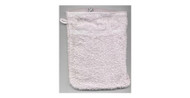
Terry cloth is built with uncut fiber loops on both sides of the fabric, which is exactly what makes it so absorbent — all those loops massively increase the surface area of cotton exposed to water. It's the reason a bath towel or a robe like the Port Authority R103 dries you off fast. That same double-sided loop structure is also bulky and not particularly stretchy, which is exactly why you almost never see it used for sweatshirts or hoodies — it's built to soak up water, not to move with a body.
What French Terry Actually Is

French terry only has loops on the inside — the outward-facing side is a smooth, flat knit, closer to jersey t-shirt fabric than to a towel. The Allmade AL4004 is a clean example at 8.3oz: light enough to breathe like a heavier t-shirt, with just enough structure on the inside to read as a sweatshirt rather than a tee. It's not built for absorbency the way terry cloth is — it's built to be worn, which is why it's become the go-to fabric for lighter hoodies, crewnecks, and joggers that need to work in more than just cold weather.
Where Brushed Fleece Fits In

There's a third fabric in this family that adds to the confusion: brushed fleece, the fuzzy-inside material behind most classic hoodies like the Carhartt CTK122 at 10.5oz. It starts as the same basic knit construction as French terry, then gets mechanically brushed on the inside to break those loops into a soft, fuzzy nap instead of leaving them as loops. That brushing step is what makes classic fleece warmer and heavier than French terry — more air gets trapped in the broken, fuzzy fibers than in French terry's tighter loop structure.
Picking Between Them
- French terry — lighter hoodies, crewnecks, and joggers meant to work across three seasons, not just winter.
- Brushed fleece — classic heavyweight hoodies and crewnecks built for cold weather and maximum warmth.
- Terry cloth — robes, towels, and anything where absorbency matters more than drape. Not a garment fabric for sweatshirts.
Common Questions
Is French terry as warm as a regular hoodie?
Not quite — it's intentionally lighter and more breathable than brushed fleece, which is exactly what makes it more versatile across temperatures rather than reserved for cold weather only.
Why does the inside of my hoodie look different from a French terry sweatshirt?
If the inside is fuzzy rather than looped, it's brushed fleece, not French terry — the brushing process is what gives classic fleece its soft, matte interior instead of French terry's visible loop texture.
Can terry cloth be used for clothing at all?
It shows up occasionally in robes and some retro-style polos, but its bulk and lack of stretch make it a poor fit for most garments compared to French terry or brushed fleece.
Shop Fleece & French Terry
Browse the full Sweatshirts & Fleece collection to compare French terry, brushed fleece, and everything in between.